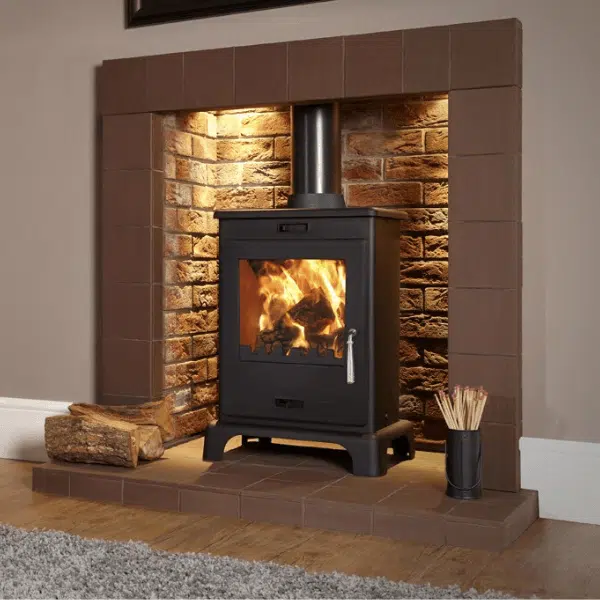
What Is a Twin Wall Flue System? Everything You Need to Know
If you have been considering installing a wood-burning stove in your home, there is a good chance that you have come across the term twin wall flue system. While many people tend to associate wood burners with traditional brick chimneys, you do not actually have to have an existing chimney in order to enjoy the warmth and atmosphere of a real fire.
A twin wall flue system provides an alternative way to safely remove smoke and combustion gases from a stove, which makes it possible to install wood burners in a wider range of properties.
But what is a twin wall flue system and how does it work? In this guide, we are going to explain everything that you need to know about twin wall flues, including their benefits, installation requirements, and everything in between.
What Is a Twin Wall Flue System?
A twin wall flue system is an insulated metal chimney system that has been designed to safely carry smoke and combustion gases from a stove or other compatible heating appliance to the outside of a property.
Unlike a more traditional brick chimney, a twin wall flue has been manufactured from prefabricated metal sections that can be connected to create a suitable route from the appliance to the outside.
The system consists of two metal walls with a layer of insulation between them, and this insulation helps to maintain the temperature of the gases that are travelling through the flue while limiting the transfer of heat to surrounding areas.
Twin wall flues are particularly useful in properties that do not have an existing chimney, including modern homes and converted buildings, and they can also be installed internally or externally, depending on the layout of the property and the route for the chimney.
How Does a Twin Wall Flue System Work?
A twin wall flue works by creating a dedicated passage for smoke and combustion gases to travel safely from the stove to the outside atmosphere, and when wood burns inside a stove, it produces hot gases that rise through the flue due to the natural chimney draught.
The insulated construction helps keep these gases warm as they travel upwards, which supports a consistent draught that can reduce the chances of any condensation forming inside the chimney.
The system will usually be made up of many different components, which include:
- Inner metal wall: Which carries smoke and combustion gases away from the appliance.
- Insulation layer: This helps with the retention of heat within the flue and reduces heat transfer to surrounding materials.
- Outer metal wall: This provides structural protection and helps maintain the integrity of the chimney system.
- Connecting sections and supports: These allow the chimney to follow an appropriate route through or around the property.
- Terminal: This provides a suitable outlet for combustion gases above the roof or at another compliant termination point.
The exact configuration will depend on the stove and the property it is being installed in.
When Do You Need a Twin Wall Flue System?
One of the main reasons that homeowners choose a twin wall flue system is that their property does not have a traditional chimney, but there are actually quite a few situations where this type of installation may be appropriate.
Installing a Wood Burner Without an Existing Chimney
If your home does not have a chimney, a twin wall flue can provide you with a very practical solution, as the system creates a new insulated chimney route, which allows a suitable stove to be installed without the need to construct a traditional masonry chimney.
This makes wood burners an option for many more modern properties that were not originally designed in order to accommodate solid fuel appliances.
Installing a Stove in an Extension
Extensions and newly converted living spaces don’t tend to have existing chimneys, but a twin wall flue can allow a stove to be installed in these types of areas, provided there is a suitable route for the chimney.
For homeowners who are creating an open-plan kitchen or an additional living room, this can provide them with an attractive heating feature without requiring major chimney construction.
Replacing an Unsuitable Chimney Arrangement
In some properties, an existing chimney may be unsuitable for the intended stove installation, and depending on its condition and construction, a replacement chimney system may be needed.
However, a twin wall flue will not always be a requirement, as an existing masonry chimney might actually be suitable for a flexible chimney liner following a professional assessment.
At Incendium Stoves & Fireplaces, we assess the existing chimney arrangements before recommending the most appropriate solution for each property.
What Are the Benefits of a Twin Wall Flue System?
Twin wall flues offer many advantages, particularly for homeowners who are looking to install a stove in a property without a traditional chimney.
1. Suitable for Properties Without Chimneys
Perhaps the biggest advantage is how flexible they are, as rather than being restricted to rooms that have an existing fireplace or chimney breast, homeowners may be able to install a stove in other suitable areas of the property.
This creates some more opportunities for homeowners when planning the layout and design of a living space.
2. Insulated Construction
The insulation between the two metal walls helps with the retention of heat within the flue and supports the chimney draught needed for effective stove operation, while also reducing heat transfer to surrounding areas.
A correctly specified and installed system can provide a safe and reliable chimney arrangement for a compatible appliance.
3. Flexible Installation Options
Twin wall flue systems can often be routed internally through a property or externally along an outside wall, but the most appropriate option will depend on the building-specific layout and the space that is available.
An internal installation can help when it comes to maintaining flue temperatures, while an external route can sometimes reduce the amount of work that will be required inside the property.
4. Durable and Long-Lasting
Quality twin wall chimney systems are designed to be able to withstand the temperatures and conditions that are associated with their intended heating appliances, and when they are correctly installed and well maintained, they can provide many years of reliable service.
However, their actual lifespan will depend on a few factors such as the materials that have been used, the quality of fuel that has been used, and how well they have been maintained.
Are There Any Disadvantages to Twin Wall Flues?
Although twin wall flues do provide a very practical solution for many properties, there are a few key considerations that are well worth understanding.
Firstly, installation costs can actually be much higher than fitting a flexible liner into an existing suitable chimney, as the system requires insulated chimney sections, brackets and supports.
The chimney route must also be planned out quite carefully, as a twin wall flue needs to have sufficient space and suitable clearances from combustible materials.
External installations may also affect the appearance of a property, particularly where the chimney runs along a visible outside wall, and like traditional chimneys, twin wall systems still require regular sweeping and inspection in order to keep them safe and effective.
For most homeowners, these considerations can be addressed during the initial survey and installation planning process.
What Is the Difference Between a Twin Wall Flue and a Chimney Liner?
Although both of these systems remove combustion gases from a stove, they both serve slightly different purposes.
A twin wall flue system is an insulated chimney system that can create a new chimney route where there is no suitable masonry chimney that exists, and a flexible chimney liner, on the other hand, will usually be installed inside an existing masonry chimney, so it can provide a suitable passage for combustion gases.
A chimney liner relies on the surrounding chimney structure, while a twin wall system, on the other hand, is designed to form a complete chimney arrangement with its own approved supports and components.
If you already have a chimney, it is well worth understanding its condition before you decide which system is required. Our guide on how long chimney liners last provides further information about the lifespan and maintenance of chimney liners.
What Regulations Apply to Twin Wall Flue Installations?
Twin wall flue installations must always comply with relevant Building Regulations, including the requirements that outlined in Approved Document J in England.
These regulations cover important aspects of installation, which include chimney positioning, termination heights and ventilation, along with the correct and safe distances from combustible materials.
The flue must also be compatible with the appliance and then installed according to the manufacturer’s instructions, with particular attention being given to areas where the chimney passes through ceilings, floors, roofs or walls.
A suitable hearth is something else that is important to consider when installing a wood-burning stove. Our article on wood-burning stove hearth regulations explains the requirements homeowners should understand before arranging an installation.
Using a HETAS-registered installer who is authorised for the relevant work can help to make sure that the installation meets applicable requirements and is correctly notified where necessary.
At Incendium Stoves & Fireplaces, our HETAS-certified installation team provides professional stove and flue installations across Norfolk, Suffolk and Cambridgeshire, with safety and compliance central to every project.
How Much Does a Twin Wall Flue System Cost?
The cost of installing a twin wall flue system will vary depending on the property and the levels of complexity that are likely to be involved in the installation, as there are many factors can influence the overall price; some of these include:
- The total height and the length of the chimney system.
- Whether the flue runs internally or externally.
- The number of bends and connecting components required.
- Access requirements and any necessary roof work.
- The type of stove and associated installation work.
An installation that is pretty straightforward will usually cost much less than one that requires a longer chimney route or specialist access equipment, so the best way to establish the most accurate estimate of the cost will always be through a professional property survey.
Incendium offers free surveys to help homeowners understand the available options and the work involved before committing to an installation.
Can a Twin Wall Flue Be Used With Any Wood Burning Stove?
Twin wall flue systems can be used with many modern wood-burning and multi-fuel stoves, as long as the chimney system is correctly specified for the appliance, but not every flue system will be a good match for every single stove.
The chimney must be able to meet the appliance manufacturer’s requirements for factors such as diameter and temperature rating, so it is also important that you consider the size and heat output of the stove itself.
Choosing an appropriately sized appliance can make a significant difference when it comes to comfort and heating performance. If you are considering a stove for a larger property, our article on whether a wood burner can heat the whole house explores what you can realistically expect.
Professional Twin Wall Flue Installation in East Anglia
A twin wall flue system can make installing a wood-burning stove possible in properties that do not have a traditional chimney, which offers more flexibility when it comes to choosing where to position your appliance.
However, selecting the correct system and planning the chimney route are both essential to make sure that it operates safely and effectively.
At Incendium Stoves & Fireplaces, we provide twin wall flue systems and professional stove installations throughout Norfolk, Suffolk and Cambridgeshire. With our experienced team on hand to assess your property and recommend an appropriate installation, before moving on to managing the process from the initial survey through to completion.
Contact Incendium Stoves & Fireplaces to book a free survey and discuss your stove and flue installation requirements.
Frequently Asked Questions About Twin Wall Flue Systems
Does a Twin Wall Flue Need to Go Above the Roof?
A twin wall flue must terminate at a suitable height and position that complies with the relevant regulations and manufacturer’s instructions. In most domestic installations, this will mean extending above the roof at an appropriate location to allow combustion gases to disperse safely.
Can You Install a Twin Wall Flue Outside a House?
Yes. Twin wall flue systems can often be installed externally, running up an outside wall before terminating above the roof. The installation must include appropriate supports, weather protection, and safe clearances.
Does a Twin Wall Flue Need Cleaning?
Yes. Twin wall flues require regular sweeping and inspection, just like traditional chimneys. This helps to remove any soot or other deposits that could restrict airflow or increase the risk of a chimney fire.
How Long Does a Twin Wall Flue Last?
A quality twin wall flue can last for many years when correctly installed and maintained. Its lifespan depends on the manufacturer’s specifications, materials, operating conditions and exposure to the elements.
Can You Install a Twin Wall Flue Yourself?
Installing a twin wall flue involves important fire safety and Building Regulations requirements. Professional installation is strongly recommended to ensure the system is suitable for the appliance, correctly supported and compliant with relevant standards.