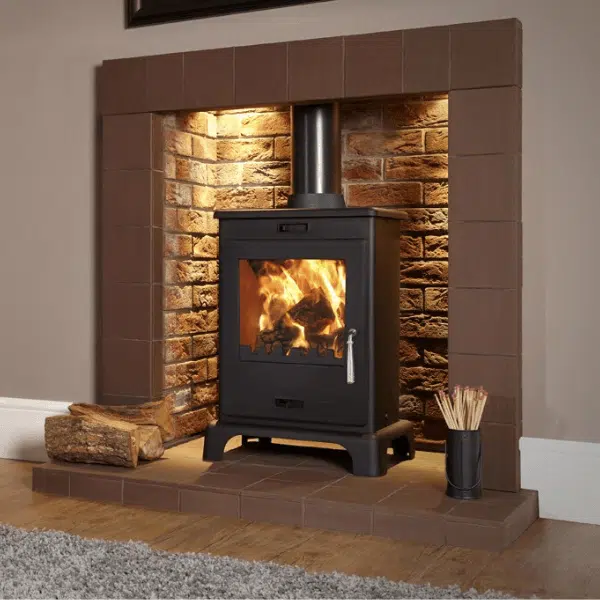
The Role of Multi Fuel Stoves in a Net Zero Future
As the UK moves closer to its net zero goals, homeowners are looking for practical ways to heat their homes more efficiently and sustainably. While renewable technologies like heat pumps and solar energy are becoming more common, sustainable multi fuel stoves are also playing an important role in reducing carbon footprints and providing flexible, low emission heating options.
This article explores how modern multi fuel stoves contribute to a greener future, the technologies behind their cleaner performance, and how they fit into a more sustainable approach to home heating.
The Shift Toward Sustainable Home Heating
The UK government’s net zero target by 2050 has placed a strong focus on decarbonising domestic heating. Traditional fossil fuel systems such as gas and oil boilers are gradually being phased out in favour of low carbon alternatives. While much of the attention is on electric and renewable systems, multi fuel stoves and net zero ambitions are increasingly aligned thanks to advancements in cleaner burning technology and fuel innovation.
Today’s multi fuel stoves are far removed from the smoky appliances of the past. Ecodesign ready models meet strict efficiency and emission standards, burning fuel more completely to reduce particulate output and improve heat performance.
How Multi Fuel Stoves Support Net Zero Goals
- Efficient combustion: Modern stoves extract more heat from less fuel, reducing waste and emissions.
- Compatibility with renewable fuels: Many sustainable multi fuel stoves can use carbon neutral fuels such as wood pellets, biomass briquettes and other renewable sources.
- Reduced reliance on fossil fuels: By allowing the use of renewable materials, these stoves provide an alternative to gas or oil heating.
- Energy flexibility: They support hybrid heating systems by complementing electric and renewable setups.
In many homes, a well installed stove can reduce the need for full central heating, particularly during shoulder months, making it an effective part of an energy efficiency plan. If you’re also considering the financial side, see our guide on multi fuel stove cost vs woodburner to compare running costs in more detail.
Renewable Heating with Multi Fuel Stoves
The use of renewable fuels is central to the sustainability of modern stoves. Biomass products such as compressed wood briquettes, recycled sawdust logs and authorised smokeless fuels are being developed with lower carbon emissions and cleaner burn profiles.
This form of renewable heating with multi fuel stoves allows homeowners to take advantage of fuels that are both locally available and sustainable. When these fuels are sourced responsibly and used in Ecodesign ready appliances, they can achieve very low net carbon emissions compared with traditional fossil fuel heating.
In areas like Norwich and across Norfolk, where wood and biomass fuels are readily accessible, multi fuel stoves offer a reliable and sustainable alternative for reducing household heating costs while supporting environmental goals.
Eco Friendly Multi Fuel Stoves in the UK
Manufacturers have made significant progress in improving the performance and environmental credentials of modern stoves. Today’s eco friendly multi fuel stove models are designed to burn cleaner and more efficiently, often exceeding the requirements set by DEFRA and Ecodesign standards.
- Optimised airflow systems for better combustion.
- Improved flue designs for reduced emissions.
- Advanced seals and materials for consistent heat retention.
- Integration with low carbon fuels and smart home systems.
These innovations mean homeowners can enjoy the warmth and character of a real fire while keeping emissions and environmental impact to a minimum.
The Future of Multi Fuel Stoves in Sustainable Heating
The future of multi fuel stoves in sustainable heating looks positive as technology and fuel innovation continue to evolve. Research into synthetic and bio based fuels could make solid fuel appliances even more efficient and environmentally friendly. Meanwhile, tighter regulations are encouraging manufacturers to push performance boundaries further, leading to stoves that are cleaner, safer and more adaptable than ever before.
As part of a balanced home energy strategy, multi fuel stoves can complement other renewable systems by offering immediate, controllable heat when it is needed most. Their flexibility and reliability ensure they remain an important part of the UK’s transition toward net zero living.
Conclusion
Modern sustainable multi fuel stoves demonstrate that comfort and environmental responsibility can work hand in hand. By combining advanced efficiency, renewable fuel compatibility and local availability, these appliances play a valuable role in reducing household emissions and energy dependence.
For homeowners in Norwich and across Norfolk who want to make heating more sustainable, explore our multi-fuel stoves in Norfolk options for expert guidance and professional installation.